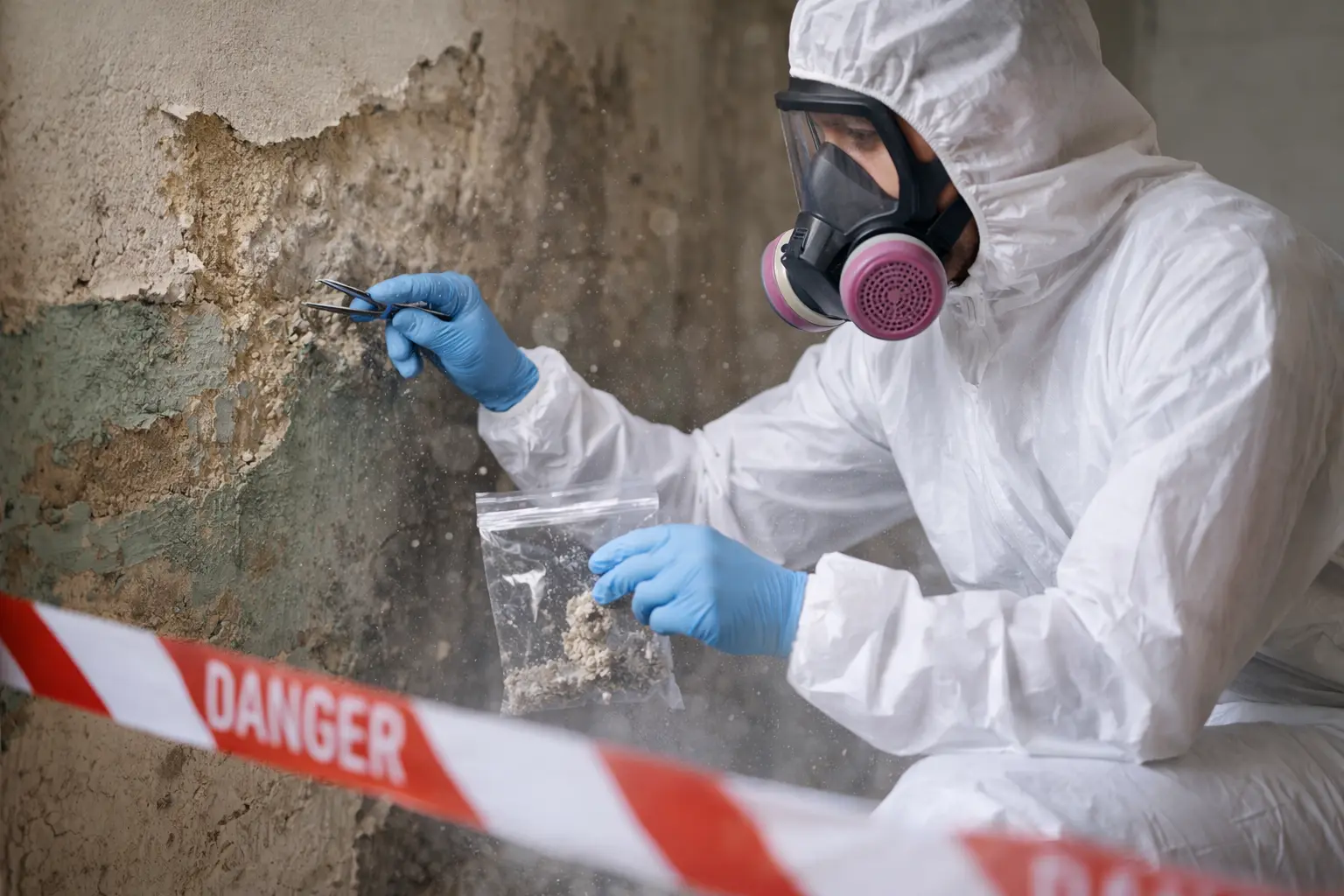
Yes asbestos can be dangerous to health. However, asbestos doesn’t “poison” you just by existing in a building. Instead, asbestos becomes a serious risk when fibres get released into the air and you breathe them in.
I’m Pio (based in Brisbane). In the real world, most problems start the same way: someone disturbs a material they didn’t recognise (cutting, drilling, sanding, breaking, or even poor clean-up). As a result, fibres can spread further than people expect especially with wind, foot traffic, and rushed renovations.
Contact to us for the safest next stepWhy asbestos is dangerous (and when it’s most dangerous)
Asbestos-containing materials can look harmless when they stay intact and sealed. However, once the material gets damaged or disturbed, it can release tiny fibres into the air. Then, when you inhale those fibres, they can cause serious diseases.
The key point most people miss: health effects take time
Asbestos-related diseases usually don’t show up immediately. Instead, they often develop over decades after exposure. That lag creates a false sense of safety “I feel fine, so it’s fine.” Unfortunately, that logic doesn’t hold with asbestos.
What health problems can asbestos cause?
When you breathe in asbestos fibres, medical evidence links exposure to several serious diseases, including:
- Asbestosis (lung scarring)
- Lung cancer
- Mesothelioma (a cancer of the lining of the lungs or abdomen)
Some health agencies also note increased risk for other cancers (including parts of the digestive system) depending on exposure patterns and evidence base.
“Is one-time exposure dangerous?”
People ask this all the time. In practice, risk depends on how much dust you inhaled, how often, and what type of asbestos was present. Many resources emphasise that there’s no known safe level of asbestos exposure, while also noting that long-term or repeated exposures drive most disease burden.
So, don’t panic but also don’t minimise it. Instead, treat it like this:
- If you had a brief, low-dust encounter, your risk may be lower.
- If you created visible dust (cutting/sanding/breaking), risk rises, and you should treat it seriously.
Quick risk table: “How worried should I be?”
Use this as a calm, practical guide.
| Situation | Risk level | Why | Best next step |
|---|---|---|---|
| Material looks intact, sealed, and untouched | Lower (not zero) | Fibres usually release when disturbed | Leave it alone; plan before renos |
| You drilled/cut/sanded/broke it, or created dust | Higher | Disturbance releases fibres you can inhale | Stop work; isolate area; get professional advice |
| You used a blower or household vacuum on dust | Higher | You can spread fibres further | Stop; avoid more cleaning; get a proper plan |
| Kids/pets or high foot traffic nearby | Higher | More movement spreads dust and contact | Restrict access and get assessment quickly |
| Workplace or renovation site with repeated dust exposure | Highest | Repeated inhalation increases disease risk | Arrange professional controls/removal |
Symptoms: what people look for (and the honest truth)
Here’s the tricky bit: asbestos-related diseases usually don’t cause immediate symptoms right after exposure. Instead, they can take 20–30 years to appear.
That said, if you already have persistent symptoms like ongoing shortness of breath, chest pain, or a chronic cough, talk to a GP. However, don’t self-diagnose based on symptoms alone — many common conditions cause similar signs.
What to do right now if you suspect asbestos
If you want the safest, least expensive path long-term, follow this sequence:
- Stop work immediately. Don’t drill, cut, sand, or snap the material.
- Avoid sweeping, vacuums, and blowers. They can spread fibres further.
- Isolate the area. Close doors, keep people out, and keep pets away.
- Confirm what it is. Testing/inspection removes guesswork and prevents bad decisions.
If you want to confirm the material and reduce uncertainty fast, use one of these
FAQs: is asbestos dangerous to health?
Is asbestos dangerous if it’s not disturbed?
Asbestos becomes most dangerous when fibres get released and inhaled. Therefore, intact, sealed materials often present less immediate risk than damaged, dusty materials. Still, you should plan carefully before renovations.
Can asbestos harm my family from a small DIY job?
It can, especially if you created dust (cutting/sanding/breaking) or spread it through poor clean-up. That’s why controlling dust matters more than “getting it out quickly.”
Does asbestos exposure always cause disease?
No. Exposure increases risk, and higher or repeated exposure usually increases risk further. However, disease outcomes vary by exposure intensity, duration, fibre type, and individual factors.
How long after exposure do asbestos diseases appear?
Many sources describe long latency often decades with symptoms commonly appearing 20–30 years after exposure.
Bottom line
Asbestos is dangerous to health when fibres become airborne and you inhale them. The biggest risk moments happen during renovations and DIY work that creates dust. Therefore, the smartest move is simple: don’t disturb it, confirm what it is, and then choose the safest plan.
Request a clear asbestos plan or quote here